Here you will find short overviews of the three mountains we climbed in February – Chimborazo, Cotopaxi and Cayambe

CHIMBORAZO (6263m):
Chimborazo is Ecuador’s highest peak at 6263m. Due to Chimborazo’s proximity to the equator and the effect of the equatorial bulge, its summit is actually the furthest point from the centre of the earth and therefore the closest point on earth to space. Due to this, it is a very popular summit, though due to it altitude and harsh weather conditions, is a tough summit to reach.
It is important that before you consider your level of acclimatisation as many local guides and companies seem to give misinformation to get you to sign up. If you are not acclimatised properly you run the risk of not enjoying your adventure, not summiting but more importantly you will be putting yourself at risk.
Due to the shrinking glacier and less snowfall the route to the summit has changed over the last few years. For many, the climb starts at the Whymper Refugio (5000m), however, a new high-altitude camp as recently opened at 5350m offering a better staging point for the summit. Here you can have a full dinner, snacks before ascent and breakfast on your return.
We arrived in the national park (note you must have your guide with you) and drove to Refugio Carrel (4800m) and hiked to the High camp. Here we ate and rested until our summit attempt later that night.
From here you are immediately roped together before you traverse across the mountain before heading up to the start of the glacier. You reach a small sheltered area where you attach your crampons. From here you head up towards the Glacier via a 5-10m scale up a rock face.
Once on the Glacier, the route becomes pretty steep with small zig zags making the route as direct as possible. This area is exposed and depending on the wind can be very cold, as a result rest stops are few and far between.
To reach the summit of Chimborazo you must pass an initial summit about 40m lower than the actual top. From here you descend slightly before rising to the final summit.
Chimborazo is quite a brutal mountain and is definitely not for the fainthearted.
For Chimborazo weather monitoring – https://www.mountain-forecast.com/peaks/Chimborazo/forecasts/6267

COTOPAXI (5897m):
Cotopaxi is an iconic Ecuadorian active volcano with an altitude of 5897m, making it the second highest mountain in the country. It is also a very popular adventure offered by lots of adventure tourism companies.
It is important that before you consider your level of acclimatisation as many local guides and companies seem to give misinformation to get you to sign up. If you are not acclimatised properly you run the risk of not enjoying your adventure, not summiting but more importantly you will be putting yourself at risk.
The actual summit attempt of Cotopaxi starts from the Juan Rivas refugio, which is located at 4864m. You guide will bring you up here the afternoon of you summit attempt. We organised to arrive a day early for better acclimatisation. You can buy water and snacks here though it is expensive.
At about 5.30pm, you will be served dinner and should be given a full briefing by your guide. At this point your guide should also double check your equipment. Between 6-7pm you will go to sleep in the bunkrooms.
At 11pm, you will wake up and get ready for your ascent, which typically starts at midnight following a small breakfast provided by the refugio.
Depending on weather and time of year (we did it in February), you will start your ascent to the summit following a steep path up to the Glacier. Here you will fix your crampons to your double/triple boots and be roped to your fellow climbers. The next 5 hours will be spent following your guide up the snowy trail to the summit of the active volcano. If timed correctly, you should arrive here at sunrise.
For Cotopaxi weather monitoring –https://www.mountain-forecast.com/peaks/Cotopaxi/forecasts/5897

CAYAMBE (5790m):
Cayambe is the third highest peak in Ecuador and is situated about 2-3 hours north of Quito. Cayambe is a spectacular climb with a summit of 5790m. When Cotopaxi was closed due to an eruption, Cayambe became more popular but people seem to have gravitated back to Cotopaxi. Cayambe sits directly on the equator and is the highest point and also the only point with snow 365 days a year.
To attempt Cayambe you need to first take a c.2-hour drive from the town of Cayambe up a very bumpy track. You finally arrive at the Oleas–Ruales–Berge Refugio at 4600m.
Great refugio with toilets, kitchen and some snacks available for purchase. They can give you dinner and breakfast there. We opted for dinner in Cayambe before arriving. We can recommend the Vaca Loca.
Normally, Cayambe is a night climb due to it being a glacier, however, we climbed during the early morning due to weather conditions.
You leave the refuge and head up a steep section of rocky paths with mild clambering. You will pass Laguna Verde before crossing to the glacier. Here you will attach you crampons. Due to the melting glacier, the climb from here is very dependent on the size of the crevasses and the route may change.
We headed up the left-hand side of the mountain face between two protruding rocks. The climb from here is pretty straightforward though there are a number of areas you need to be extra vigilant due to large cracks in the glacier.
The final section is spectacular as you traverse across the mountain passed large frozen ice walls.
The final ascent is slightly undulating before you finally reach the summit at 5790m.
On your descent look out for the rock that looks like a side profile of a human head (see photos)
This was my favourite of my Ecuadorian summits, though that maybe due to the ascent being during the day.
For Cayambe weather monitoring – https://www.mountain-forecast.com/peaks/Cayambe/forecasts/5790
OTHER INFO
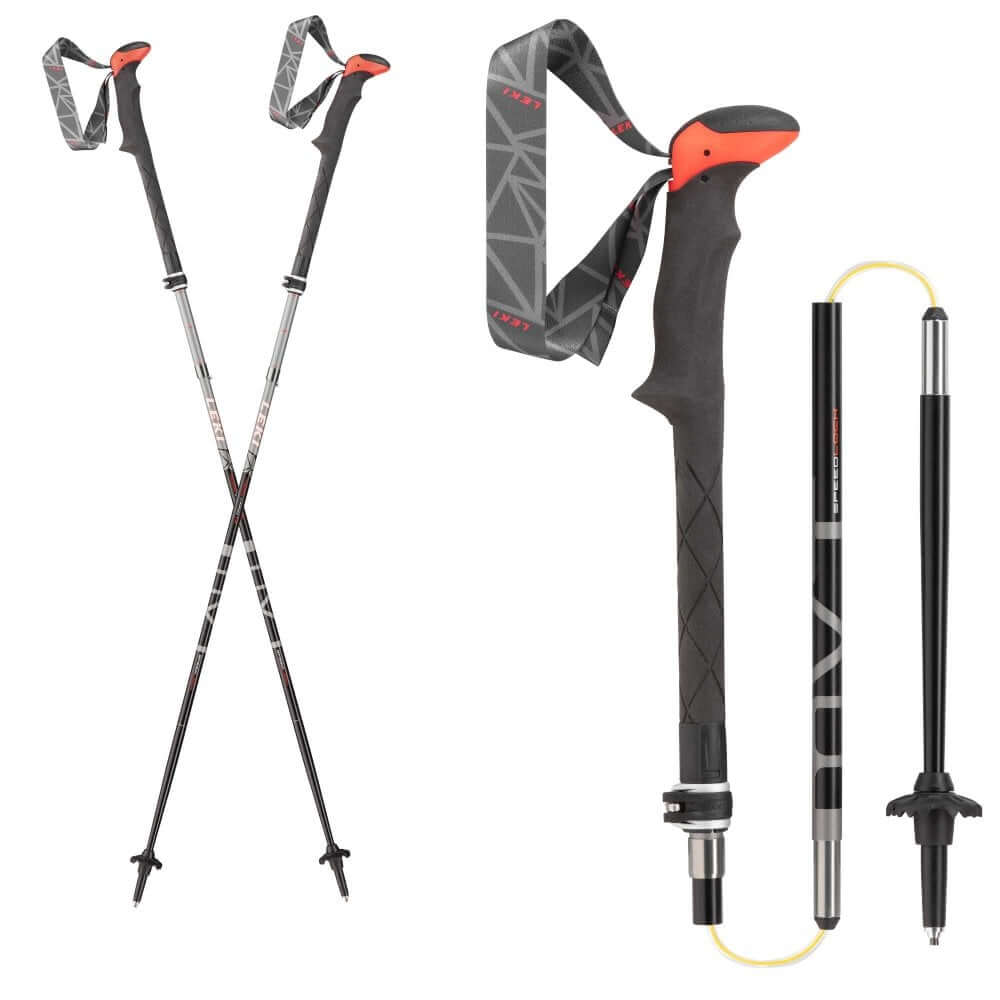
For these climbs you will either be using your own kit or that provided by your guide. Essentials include, double boots, ice axe, trekking poles, crampons, harness, carabiners and helmet. For a better idea of kit needed, check out the mountaineering section of www.jamieramsay.net/kit
We would recommend Andean Summit Adventure – http://www.andeansummitadventure.com/
Check out the acclimatisation process I went through here: https://www.jamieramsay.net/blog/acclimatisation-for-ecuadorian-3-summits/